
Food Packaging Printers Built for High-Speed Production Lines
Food and beverage manufacturers can't afford a coding error. A smudged date, a missed lot code, or a printer that stalls mid-shift can trigger a recall, a failed audit, or a line shutdown that costs thousands per hour.
All Pro Technical Service sells, services, and supports food packaging printers engineered for exactly this environment — high humidity, washdown areas, cold storage, and production speeds that don't slow down for anyone. Whether you need an inkjet printer for food packaging for porous cartons and flexible film, or a laser printer for food packaging for permanent, high-contrast marking on rigid containers, we help you match the right coding technology to your line, your substrate, and your compliance requirements.
Our team doesn't just sell equipment. We support it — with USA-based technicians, prompt service response, and decades of combined experience keeping food plants running.
Experience, Expertise, and Reliability You Can Verify
Experience: All Pro Technical Service works directly with food and beverage manufacturers on production floors across the USA, supporting date coding and lot tracking systems under real washdown, cold-chain, and high-speed conditions — not just in a showroom.
Expertise: Our technicians evaluate substrate, ink compatibility, and line speed before recommending equipment, ensuring the printer technology matches the actual production environment rather than a one-size-fits-all specification.
Reliability: We provide preventive maintenance, genuine parts, and USA-based support so coding equipment stays operational through every shift, reducing the downtime and compliance risk that come with equipment failure.
Trustworthiness: We provide factual, substrate-specific guidance rather than one-size-fits-all recommendations, and we stand behind the equipment we install with ongoing service and support — not just a one-time sale.
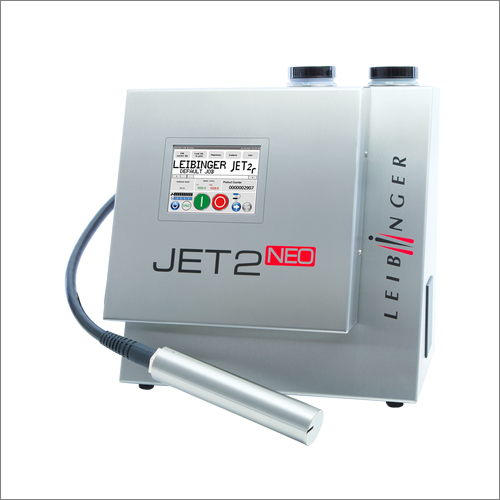
What Are Food Packaging Printers?
Food packaging printers are industrial coding and marking systems that print variable data — such as expiration dates, batch/lot numbers, barcodes, and nutritional or allergen information — directly onto food and beverage packaging as it moves through production. They're built to run continuously in demanding plant conditions while meeting FDA and USDA labeling requirements.
Unlike standard office printers, these systems are designed for:
- Speed — keeping pace with lines running hundreds of packages per minute
- Durability — withstanding heat, moisture, dust, and washdown cycles
- Compliance — producing legible, permanent, and auditable codes
- Integration — connecting with ERP, MES, and vision-inspection systems for full traceability
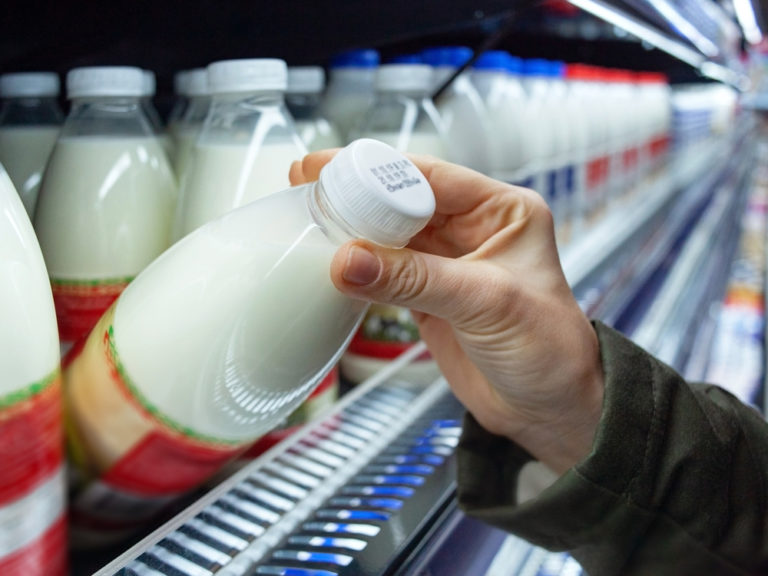
Why Accurate Date Coding and Lot Tracking Matter
For food processors, coding accuracy isn't a formatting detail — it's a food safety and legal requirement. The FDA's traceability rules and USDA labeling standards require that products carry accurate lot identification so they can be traced back through the supply chain if a recall becomes necessary.
A single illegible or incorrect code can force a manufacturer to quarantine or destroy an entire production run. Reliable coding equipment protects against that risk by ensuring every unit leaving the line is correctly identified, every time.
A properly specified food packaging printer reduces recall risk, supports FDA traceability rules, and keeps production lines running without unplanned downtime.
Inkjet Printer for Food Packaging: When It's the Right Fit
Inkjet coding is the most widely used technology in food and beverage packaging because of its versatility. It works well on:
- Corrugated cases and cartons
- Flexible pouches and film
- Shrink-wrapped multipacks
- Non-porous plastic bottles and containers
Continuous inkjet (CIJ) printers are typically chosen for high-speed lines because they print without contacting the package, making them ideal for uneven or moving surfaces. Thermal inkjet (TIJ) systems offer sharper, higher-resolution codes for barcodes and small text, often at a lower cost per unit for lower-to-mid-speed applications.
We help customers evaluate line speed, substrate type, and ink compatibility (including food-safe and low-odor formulations) before recommending a system — because the wrong ink on a food line leads to smearing, adhesion failure, or contamination risk.
Laser Printer for Food Packaging: When to Choose It Instead

Laser marking uses a focused beam to etch or discolor the packaging surface rather than depositing ink. For food manufacturers, this offers real advantages:
- No consumables — no ink, solvent, or cartridges to replace or store
- Permanent marks — resistant to smudging, fading, or tampering
- Cleaner operation — fewer contamination concerns in sensitive production zones
Laser coding is commonly used on rigid plastic containers, foil lids, coated cartons, and glass, where a permanent, tamper-evident code is preferred over ink-based printing. It's also a strong fit for plants looking to reduce consumable costs and simplify sanitation procedures around the printer.
How to Choose the Right Coding System for Your Line
There's no single "best" printer for every food plant. The right choice depends on:
Our technicians assess these factors on-site or through a line audit before recommending equipment, so the system you install matches how your plant actually runs — not a generic spec sheet.
Service, Support, and Reliability You Can Count On
A food packaging printer is only as good as the support behind it. All Pro Technical Service provides:
- Preventive maintenance programs to reduce unplanned downtime
- Genuine parts and consumables matched to your specific printer model
- USA-based technical support with rapid response for production-critical issues
- Installation and integration with existing line controls and traceability software
- Operator training so your team can handle routine maintenance confidently
We work with food and beverage manufacturers across the USA who need coding equipment that performs reliably, shift after shift, without becoming a bottleneck.
Get the Right Coding Solution for Your Production Line
Coding errors, downtime, and compliance gaps are avoidable with the right equipment and the right support behind it.
Talk to All Pro Technical Service today to get a free line assessment, a printer recommendation matched to your packaging and speed requirements, or to book a live demo of inkjet and laser coding systems in action.